
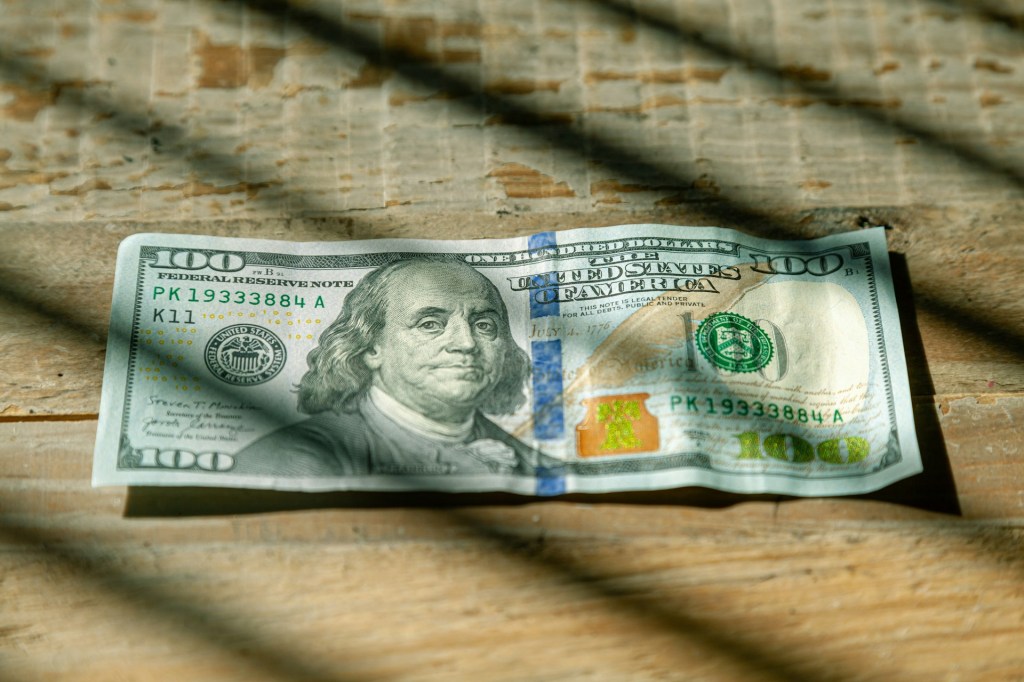
Photo by Live Richer on Unsplash.
Many have argued that fractional-reserve banking is fraudulent and should be illegal. Their main argument can be stated like this:
- The practice of fractional-reserve banking gives ownership claims to the same funds to more than one person. See Austrians, Fractional Reserves, and the Money Multiplier.
Others claim that there is no fraud. George Selgin has argued, quite persuasively in my opinion, that banks have a long history going back to the ancient world of issuing notes (i.e. IOUs) instead of warehouse receipts for deposits. It has always been commonly understood that loose coins deposited at a bank become the bank’s property, and if you want to retain ownership you have to ask the bank for segregated storage (e.g. a safe deposit box).
One thing I would like to draw attention to is the terminology that banks are using. Even if you believe banks are not “counterfeiters of fake warehouse-receipts” as Murray Rothbard accused them of being, an argument can still be made that banks are operating with a hint of deception by the terminology they are using.
Banks understand the lending industry quite well because they offer loans (Mortgages, Personal Loans, Business Loans), and when referencing these loans, they use terminology consistent with the lending industry like disbursement, repayment, and principal. But when referencing a checking or savings account, they use terms like deposit, withdrawal, and balance, which are not consistent with the lending industry. In fact, you could be talking to the same teller and they will switch terms based on whether you are a borrower or a depositor. If deposits are loans made to banks, why don’t banks use terms consistent with the lending industry?



 Smithmont Blog
Leave a comment