
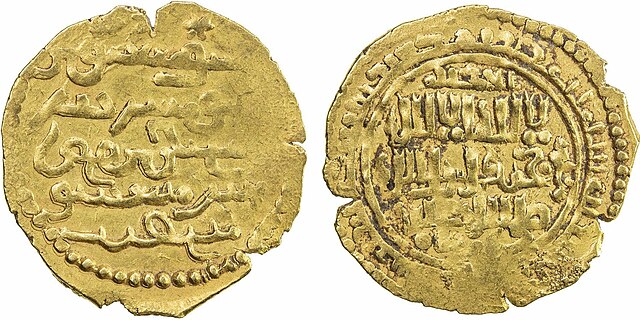
In 1294 AD a ruler named Gaykhatu issued a decree that all the inhabitants of the city of Tabriz begin accepting paper money. Paper money was first introduced in China during the 11th century, but this was the first time its use was attempted in the Near East. Tabriz was a major city in northwestern Iran, and the Iranians had been using gold and silver coins since antiquity. The most popular coin at the time was the gold dinar, a term derived from the Roman denarius. Gaykhatu’s plan was to issue large amounts of paper money and force the people to accept paper dinars as equal to gold dinars so that the gold would flow into the State treasury, as it had in China. Once the gold is in the hands of the State, the State can devalue the paper as it sees fit, effectively stealing from the people at will.
Like all good tyrants Gaykhatu created propaganda touting the advantages of paper money, saying it would banish poverty and abolish all differences between rich and poor. Poets sang the praises of the new money (and who knows, perhaps in the process coined an early form of the word Comrade). Abandoning all pretense, Gaykhatu decreed that anyone who refused to accept paper money as legal tender was to be put to death on the spot.
But the people resisted. They saw the scheme for what it was and refused to use the new paper money. Historians don’t know how many were put to death, but we are told the people completely abandoned the lucrative Silk Road city rather than give in to the tyrant. Caravan traffic came to a complete standstill, hunger was widespread, and “the poor raised their hands imploringly in prayer”, according to eyewitness Rashid al-Din. The public started becoming violent and the leadership, realizing the decline in tax revenue was worse than the benefits the paper money would provide, relented and issued a new decree overturning the original. Less than a year later, Gaykhatu was assassinated.

One of the most effective ways to fight tyranny is to pay each other in money that cannot be debased. Ownership of gold (and to a lesser extent silver) is quite literally power in the hands of the people. Bearing gold is every bit as potent as bearing arms.
Hats off to the 13th century Iranians for giving future generations a master class in how to resist tyranny. But how well have we learned this lesson?
Fast forward to 1690. The colony of Massachusetts, unable to pay its soldiers after sending them on a failed attempted raid on Quebec, printed paper notes. The soldiers accepted them because Massachusetts promised to redeem the paper notes in gold or silver in a few years, a promise it could not keep. The paper money lost 40% of its value in one year. By 1711 Connecticut and Rhode Island were also issuing paper money. The theft not only had continued but had spread.
Fast forward again to 1933. FDR signs Executive Order 6102 making it a criminal offense for U.S. citizens to own or trade gold coins. Sadly, there was no large-scale resistance. Once the gold was under government control, the dollar was devalued via the 1934 Gold Reserve Act.
The lesson from the 13th century had not been heeded. Americans had become sheeple. No taxation without representation, but go ahead and steal from us and our loved ones and watch us do nothing? Thomas Jefferson would have been appalled, Washington and Madison even more so. The Virginia flag had been dragged through the mud; Sic Semper Tyrannis obscured by sheep manure.
Yet hope remains.
- 1964 – Treasury Secretary Douglas Dillon revokes the restrictions on private ownership of gold certificates.
- 1974 – Gerald Ford signs a bill into law legalizing private ownership of gold coins and bars.
- 1982 – Ron Paul and Lewis Lehrman write The Case for Gold – A Minority Report of the U.S. Gold Commission.
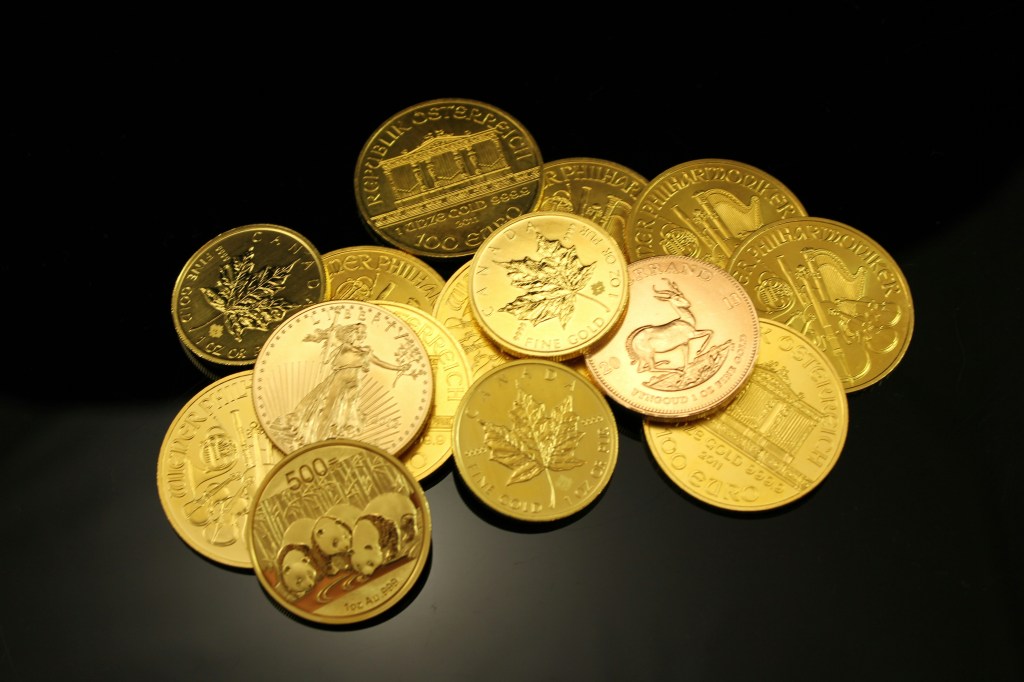
- 1985 – Ronald Reagan signs into law the Gold Bullion Coin Act of 1985 authorizing the U.S. Mint to begin minting gold bullion coins.
What’s the next step? For a while, those who love freedom had hoped that the government would put the dollar back on the gold standard. They also (mistakenly) thought that U.S. citizens had no choice but to wait for government to change, that citizens could not use gold as a currency. I’m not sure where this idea came from, perhaps they saw what happened to E-gold and believed that the government would shut down any company that offered to process transactions in gold. (E-gold was shut down for operating without money transmitter licenses).
Then in 2009 Bitcoin was created. Cryptocurrencies, despite all their problems, have proven that U.S. citizens can legally use currencies other than the dollar, provided that all relevant laws are followed, like FinCEN compliance, state money transmitter licenses, capital gains tax reported to IRS, etc. (btw this does not constitute legal advice).
Plug
Smithmont (not a cryptocurrency) is a payment service that facilitates the use of gold as a currency. Although you could pay someone with physical gold coins, Smithmont makes it easier because it keeps track of capital gains, and handles the issues around making change.
Smithmont is currently available in the state of Montana. Residents of other states may preview the service in a sandbox environment.



 Smithmont Blog
Leave a comment